
A smooth swing on the course starts with dedicated work behind the scenes. Finding a quality Driving Range Moncton golfers rely on gives local players the space needed to refine mechanics, dial in yardages, and build round-to-round consistency.
We know how frustrating it feels to step onto the tee box without proper preparation, only to watch shots drift into hazards due to rusty iron play or poor distance control. Greater Moncton offers fantastic practice environments, short-game greens, and full-length outdoor tees designed to help every golfer elevate their standard of play. Whether you are working on a mid-season swing change, trying out a new driver, or looking for a structured warm-up routine, practicing with purpose yields noticeable rewards when scorecards count.
Top Moncton Practice Facilities and Driving Ranges
Great practice starts with choosing the right facility for your specific training goals. The region features several well-equipped options tailored to different aspects of swing development, iron consistency, and short-game precision. Combining outdoor range sessions with short-game drills ensures your entire bag stays sharp throughout the golf season.
Dedicated Driving Ranges and Hitting Bays
Having access to full-length hitting bays allows golfers to observe true ball flight rather than guessing trajectory off a net.
- Full-length turf hitting areas: Allow players to track authentic ball flight, launch angles, and total carry distances.
- Target greens: Placed at varying distance intervals to sharpen distance control with mid-irons, short-irons, and wedges.
- Covered hitting stalls: High-quality artificial mats keep swing practice uninterrupted during early morning humidity or damp weather conditions.
- On-site ball dispensers: Provide easy bucket options so players can structure short practice sessions around busy personal schedules.
Short-Game Greens and Bunker Stations
Scoring improvements happen closer to the pin. Dedicating time to chipping, pitching, and sand saves creates immediate strokes-gained benefits.
- Dedicated chipping zones: Mimic real greenside fringe conditions, helping players practice low bump-and-run shots as well as high-flop recoveries.
- Real sand practice bunkers: Offer dedicated space to build confidence with explosion shots and tricky greenside bunker saves.
- True-rolling putting surfaces: Built with realistic slopes to allow players to hone speed control and master green-reading techniques.
Combining Practice with On-Course Strategy
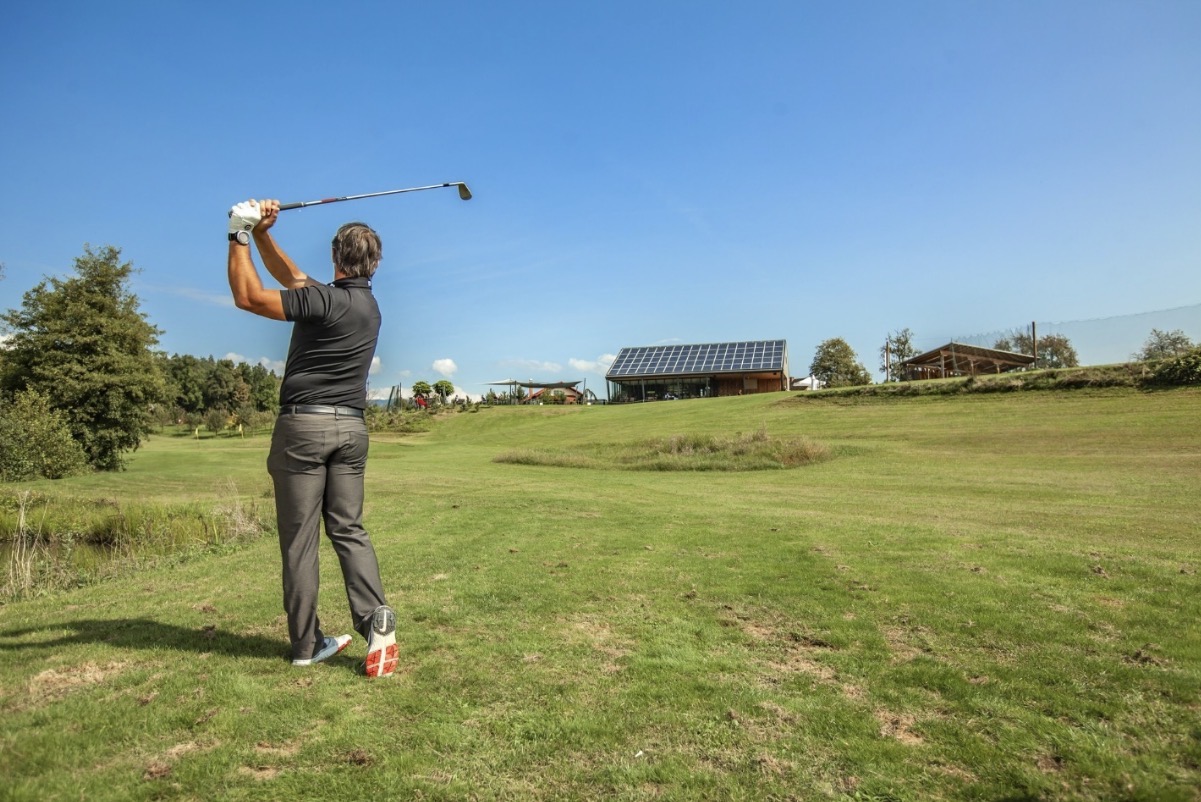
Hitting buckets of balls builds baseline muscle memory, but transferring that mechanical skill to an actual round requires intentional course strategy. Facilities like Country Meadows Moncton provide impressive layouts where players can transition directly from full-swing range practice to strategic on-course execution.
Once you have established a reliable tempo on the driving range, applying those skills on a full-length course is the true test of game development. Practice should mirror the reality of course play rather than rapid-fire ball hitting.
- Aim with Intent: Pick explicit target banners or distance markers on every range swing rather than firing balls aimlessly down the center.
- Simulate Real Holes: Change clubs after every single shot on the range to mimic playing a real par 4 or par 5 hole.
- Prioritize the Short Game: Spend at least fifteen minutes warming up short-game touch around putting greens before stepping onto the first tee.
- Track Yardage Gaps: Use practice sessions to record exact carry distances for each wedge and iron in your bag.
Mastering Course Management with the Hillsborough Scorecard
Great golf scores depend on smart tactical choices as much as physical execution. Reviewing the Hillsborough Golf Club Scorecard helps players chart an intelligent approach before taking their very first swing of the day.
Understanding how to read course metrics ensures you play to your personal strengths while avoiding unnecessary penalty strokes:
- Tee Selection: Match your average driver carry distance to the overall course yardage on the scorecard to maintain an enjoyable pace of play.
- Handicap Hole Rankings: Identify the toughest holes (ranked 1 through 18 on the handicap line) to plan conservative tee shots and approach strategies.
- Elevation & Layout Notes: Use scorecard metric tables to account for elevation shifts, dogleg angles, and hazard locations on unfamiliar holes.
Simple Practice Routines for Faster Improvement
Randomly hitting driver after driver rarely leads to lower handicap numbers. We recommend structuring every practice session around targeted, measurable goals that develop every aspect of your performance.
- Warm-Up Phase (10 Minutes): Start with gentle wedge shots, gradually stretching core muscles, finding rhythm, and building solid contact.
- Iron Precision (15 Minutes): Pick explicit target flags, alternate between mid-irons, and track how many balls land within target zones.
- Driver & Fairway Woods (10 Minutes): Visualize narrow fairways on your local course and execute complete pre-shot routines for every swing.
- Short-Game Finishing (15 Minutes): Head to the putting green to practice distance control, three-foot pressure putts, and chipping accuracy.
Dialing in Distance Control and Club Gapping

Knowing exact carry yardages for every club in the bag is one of the fastest ways to lower scores. Dedicating practice time to measuring carry distances rather than total roll gives golfers predictable numbers when taking dead aim at target flags. Range sessions focused on wedge distance control, such as half swings and three-quarter swings, eliminate awkward distance gaps between full shots.
Building a personal distance matrix requires charting performance across varying wind conditions and swing tempos. Repeating full-swing routines with target irons establishes consistent baseline numbers for short approach shots. When players trust their yardages implicitly, commitment levels rise and hesitation disappears over approach shots.
Conclusion
Building a reliable golf game takes focused effort, quality facilities, and smart strategy on the course. By spending structured time at local driving ranges and learning to navigate course metrics effectively, players lay a strong foundation for consistent performance. At Hillsborough Golf Club, we are proud to support golfers across the region with an inviting environment, a rewarding course layout, and all the resources needed to enjoy this incredible game to the fullest.
Frequently Asked Questions
What should I focus on when visiting a local driving range?
Focus on quality over quantity. Pick specific target flags for every single swing, execute your full pre-shot routine, and rotate through different clubs rather than hitting the same club repeatedly.
How does studying a course scorecard improve my scores?
A scorecard highlights hole handicaps, total distances, slope ratings, and par values. Reviewing these details helps you choose proper tee boxes, plan conservative landing areas on tough holes, and manage risk intelligently.
Are practice facilities in Moncton suitable for beginners?
Yes, local ranges and practice greens welcome players of all skill levels. They offer a comfortable, low-pressure atmosphere to learn golf fundamentals before heading onto an 18-hole course.
How often should I split my time between the range and the short game area?
A balanced rule of thumb is spending 50% of your practice time on full swings at the driving range and 50% on chipping, pitching, and putting greens where the majority of scoring strokes occur.